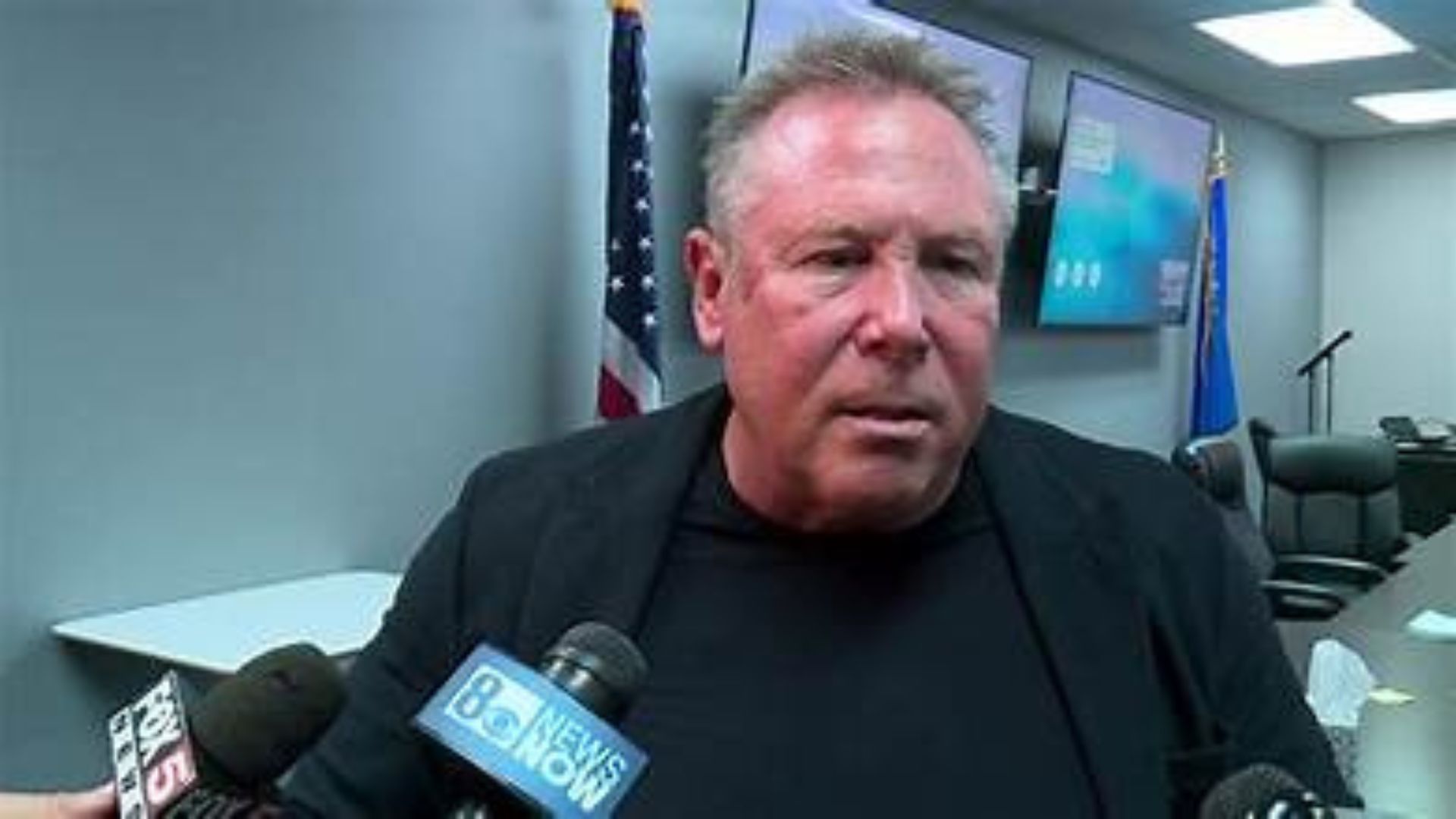
Okay, quick intro without sounding like a Wikipedia page. Stephen J. Cloobeck was born back in 1961 in Los Angeles, California. He’s an American businessman who’s spent decades in real estate, hospitality, and vacation ownership. He’s best known as the founder, former chairman, and CEO of Diamond Resorts International—a huge timeshare and resort company that grew into a major player with properties all over the world.
He didn’t start out with a silver spoon or anything. The guy actually thought about becoming a heart surgeon at one point—he even volunteered doing research at Cedars-Sinai. But life had other plans. He ended up diving into real estate development instead, building shopping centers in places like Burbank, Bakersfield, and a bunch of other California spots in the 1980s.
I remember reading about entrepreneurs like this and thinking, “Man, one small pivot and your whole path changes.” It’s kinda like when I decided against that corporate job in my 20s and started blogging instead. Scary at first, but sometimes the detour becomes the main road.
The Diamond Resorts Story: From Risky Bet to Big Success
Here’s where it gets interesting. In 2007, Cloobeck took a pretty bold swing. He acquired a publicly traded company called Sunterra Corporation—which had been struggling with lawsuits, debt, and a messy reputation—and turned it into Diamond Resorts. People told him he was nuts. The company had something like 99 lawsuits hanging over it, and the financials were a wreck. But he saw potential in the vacation ownership model.
He grew it through the tough 2008 recession, made smart acquisitions of smaller timeshare companies, and eventually took it public in 2013. By 2016, Apollo Global Management bought Diamond Resorts for about $2.2 billion in a cash deal. Cloobeck had around a 22% equity stake at the time, which reportedly translated to a roughly $500 million pre-tax payout for him. That’s the number most reliable sources keep circling back to when talking about his wealth.
Timeshares aren’t everyone’s cup of tea—some folks love the idea of owning a slice of vacation time at nice resorts, others see the maintenance fees and wonder if it’s worth it. But Cloobeck focused on making the experience better: nicer properties, better service, that kind of thing. He even appeared on Undercover Boss a few times, where he’d work incognito at his own resorts and then surprise employees with big gestures, like paying for college or helping with family needs. Those episodes always hit me right in the feels. Reminds me of my buddy who runs a small landscaping business—he still remembers the names of every summer student he’s ever hired.
So, What’s His Net Worth Today?
Alright, the million-dollar (or half-billion-dollar) question: Stephen Cloobeck net worth estimates in 2026 generally land around $500 million. Some older or less verified sites throw out lower figures like $100 million, and a few hype ones push higher, but the consistent story ties back to that big 2016 exit. He didn’t walk away with every penny—taxes, reinvestments, and all that—but it’s still an incredible windfall from one main venture.
After selling, he’s stayed active in investments, real estate, and other hospitality plays. He’s talked about going from being $20 million in debt at one low point to building that massive business. That’s wild resilience. His personal site and interviews mention a portfolio that includes stakes in things like biometrics companies, airports, and stadiums, plus ongoing real estate stuff.
But here’s the thing—no one’s publishing his exact bank statements. Net worth for private folks like this is always an estimate. It can fluctuate with markets, property values, and new deals. Think of it like guessing your neighbour’s house value based on what sold down the street—close, but not perfect.
Early Days and the Real Estate Grind
Before Diamond Resorts blew up, Cloobeck was already in the trenches of real estate. He built shopping centers across California. That hands-on experience in development, finance, and operations gave him the foundation for scaling a big hospitality company later.
It’s relatable on a smaller scale, right? My cousin in Toronto started flipping small condos in the early 2000s. Nothing glamorous—just learning contracts, dealing with contractors, and sweating through market dips. Those early lessons compound. Cloobeck has dyslexia, which he’s spoken about openly. He says it forced him to think differently and outside the box, which helped in entrepreneurship. Makes you realize that “flaws” can sometimes become superpowers if you work with them.
Beyond Business: Philanthropy, Politics, and Public Service
Money aside, Cloobeck hasn’t just sat on a beach counting his blessings. He’s been involved in public service—serving as the inaugural chairman of Brand USA (that nonprofit pushing travel to the U.S.), and he’s a big Democratic donor and philanthropist. He’s supported cancer research, education, homelessness efforts, and wildfire relief in California.
He’s even tossed his hat into the ring for California governor in 2026. Whether that goes anywhere or not, it shows he’s still driven by more than just dollars. I love that part—success isn’t only about the net worth number; it’s what you do with the platform it gives you.
Reminds me of that family friend back home who built a decent construction company. Once he could afford it, he started sponsoring local hockey teams and helping with community rinks. The money mattered, but the impact felt better.
Lessons We Can Actually Use (Even If We’re Not Building Empires)
You don’t need $500 million to learn from Cloobeck’s path. Here are a few honest takeaways that feel practical for everyday folks—like freelancers juggling gigs, small business owners scraping by, or families trying to build a bit of security.
First, bet on yourself during tough times. He bought a troubled company when everyone else ran the other way. Sometimes the “bad” deal has hidden upside if you’re willing to roll up your sleeves and fix what’s broken.
Second, focus on people. Those Undercover Boss moments weren’t just TV—they showed a guy who valued frontline workers. In your own life, whether you’re managing a team of two or negotiating with clients, treating people decently builds loyalty that lasts longer than any short-term profit.
Third, diversify but stay in your lane. He started in real estate, moved into vacation ownership, and kept learning. You don’t have to jump industries wildly—maybe start with what you know (your skills, your local market) and expand thoughtfully.
And yeah, there are limitations. Timeshares have critics—high-pressure sales tactics in the industry have given it a bad rap for some. Big exits come with taxes and complexities most of us never face. Not everyone can (or should) take on massive debt risks. It’s okay if your version of success is a stable job, a paid-off house, and family vacations without the stress.
Pros of his approach? Massive scale, global impact, and the freedom that comes with financial wins. Cons? High stress, public scrutiny, and the grind never really stops if you’re wired that way.
Wrapping It Up with a Cup of Coffee
So there you have it—a casual look at Stephen Cloobeck’s net worth and the journey behind it. Around $500 million, built on turning a struggling timeshare outfit into a $2.2 billion sale, plus decades of real estate hustle and smart risks. But the real story isn’t just the number—it’s the resilience, the people focus, and the willingness to keep moving forward even after setbacks.
Life’s funny. One day you’re volunteering in a hospital thinking about surgery, the next you’re running resorts worldwide. Or, like me, you’re just a regular Canadian typing away, hoping these stories make you pause and think, “What small step can I take today?”
What do you think? Have you ever taken a big risk in your career or business? Or maybe you’re just curious about how these big success stories actually play out behind the scenes. Drop a comment below—I read every one and love chatting with you folks. Who knows, maybe your story will inspire the next reader.