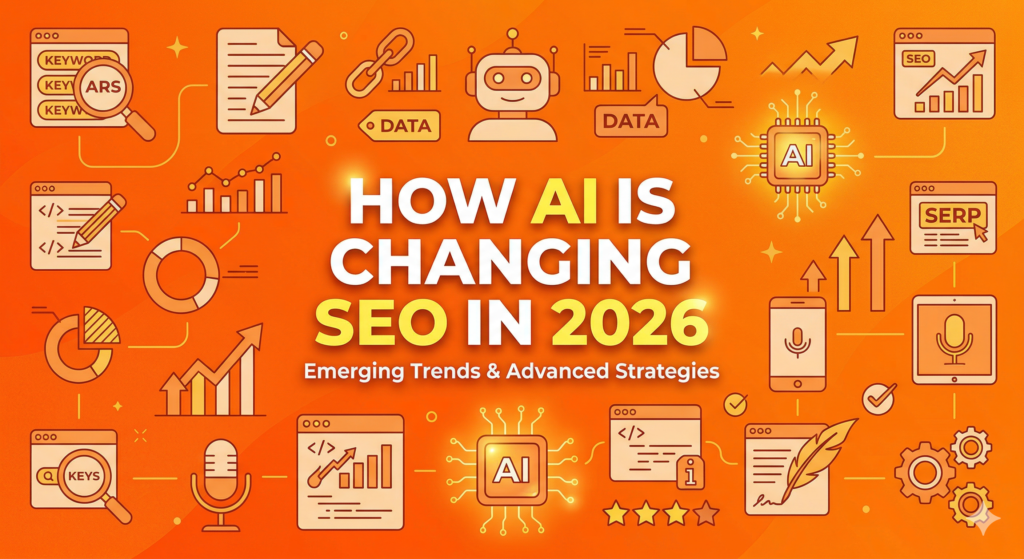
Search Engine Optimization (SEO) has evolved rapidly over the last few years, and in 2025, artificial intelligence became one of the biggest forces behind this change. Earlier, SEO was mostly about keywords, backlinks, and technical tricks. But now, search engines are much smarter and focus more on user intent and content quality.
In 2026, AI is not just a support tool but a core part of SEO. Search engines are using advanced algorithms to understand what users really want, not just what they type. This means bloggers, marketers, and website owners need to adapt their strategies to stay competitive.
If you want to rank higher on search engines and grow your traffic, understanding how AI is changing SEO is extremely important.
What is AI in SEO?
AI in SEO refers to the use of artificial intelligence to improve search engine optimization strategies. It helps in analyzing data, automating tasks, and making smarter decisions based on user behavior.
Search engines like Google use AI systems such as RankBrain and BERT to understand search queries better. Instead of just matching keywords, these systems analyze the meaning and context behind the words.
For example, if someone searches “best phone for gaming,” AI understands that the user is looking for performance, battery, and graphics capability, not just pages containing those exact words.
In simple terms, AI helps search engines think more like humans.
Types or Features of AI in SEO
AI is used in multiple areas of SEO, and each feature plays an important role in improving rankings and performance.
One of the most powerful features is AI-based keyword research. Modern tools analyze search trends, competition, and user intent to suggest better keywords. Instead of guessing, you get accurate and data-driven suggestions.
Content generation is another major feature. Tools like ChatGPT help bloggers create blog posts, outlines, and ideas quickly. This is especially helpful for beginners or those managing multiple blogs.
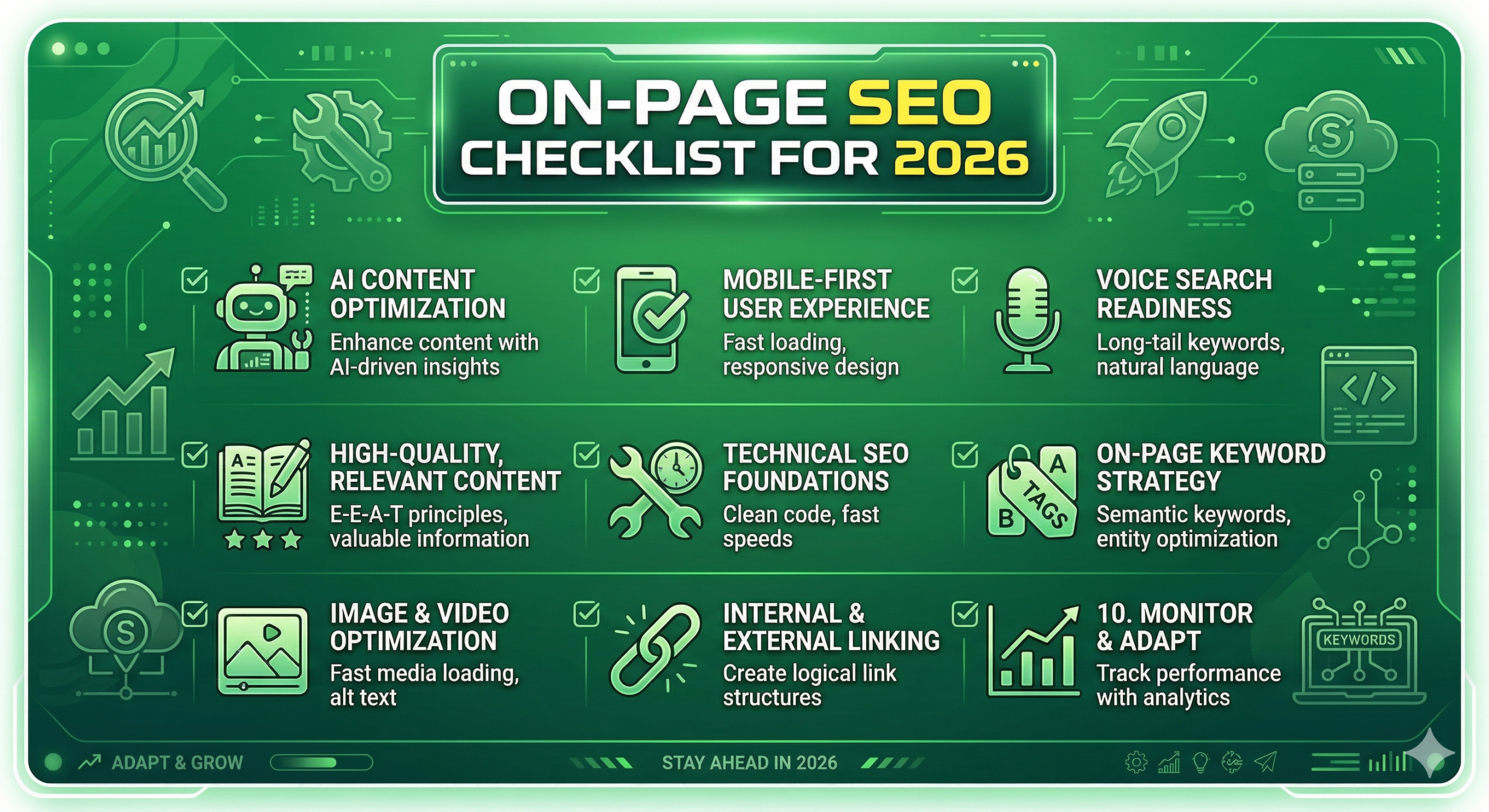
AI is also used in content optimization. Tools analyze your article and suggest improvements such as keyword placement, headings, readability, and structure. This increases your chances of ranking higher.
Another important feature is voice search optimization. With the rise of voice assistants, people are searching in a more conversational way. AI helps optimize content for these natural language queries.
AI also improves technical SEO. It can detect issues like broken links, slow loading speed, and indexing problems, helping you fix them quickly.
Key Differences (Traditional SEO vs AI SEO)
Traditional SEO and AI-driven SEO are very different in how they work.
In traditional SEO, the focus was mainly on keywords and backlinks. Bloggers had to manually research keywords, write content, and build links. It required a lot of time and effort.
AI SEO, on the other hand, is more advanced and efficient. It focuses on user intent rather than just keywords. AI tools can automate tasks like keyword research, content creation, and analysis.
Another major difference is accuracy. Traditional SEO relied on guesswork and experience, while AI SEO uses real-time data and machine learning to make decisions.
In simple words, traditional SEO was manual and rule-based, while AI SEO is smart, automated, and data-driven.
Benefits or Importance of AI in SEO
AI offers many benefits that make SEO easier and more effective.
One of the biggest advantages is time-saving. Tasks that used to take hours, like keyword research or content planning, can now be done in minutes using AI tools.
Another benefit is better accuracy. AI analyzes large amounts of data and provides reliable insights. This helps you target the right keywords and audience.
AI also improves content quality. It suggests better headlines, improves readability, and ensures your content is optimized for search engines.
Consistency is another advantage. AI tools help you maintain a regular posting schedule, which is important for SEO success.
Additionally, AI helps beginners compete with experts. Even if you have limited experience, AI tools can guide you and improve your strategy.
Challenges or Limitations
Despite its many benefits, AI in SEO also has some limitations that you should be aware of.
One major challenge is over-reliance. If you depend too much on AI tools, your content may lose originality and personal touch. This can make your blog less engaging.
Another limitation is accuracy. AI tools are powerful, but they are not perfect. Sometimes they may provide incorrect or outdated information, so it is important to review everything.
There is also a learning curve. Some advanced AI tools require time to understand and use effectively.
Cost can be another issue. While some tools are free, many advanced AI SEO tools require a subscription, which may not be suitable for beginners.
Finally, search engines are constantly updating their algorithms. This means you need to keep learning and adapting your strategy.
Real-Life Example of AI in SEO
Let’s understand this with a simple real-life example.
Imagine you want to write a blog on “best laptops for students.” In the past, you would manually search for keywords, analyze competitors, and write the content yourself.
Now, with AI, the process is much easier. An AI tool suggests keywords like “budget laptops for students 2026” or “best laptops for online classes.” It also shows what your competitors are doing.
You can then use ChatGPT to create a draft and optimize it using AI SEO tools. Within a short time, you have a well-structured, SEO-friendly article ready to publish.
This shows how AI saves time and improves efficiency.
Impact of AI on Content Creation
AI has completely changed how content is created for SEO.
Earlier, content writing required a lot of research and effort. Now, AI tools can generate high-quality drafts in minutes. This allows bloggers to focus more on strategy and creativity.
AI also helps in creating different types of content, such as blog posts, social media captions, and email newsletters. This makes it easier to maintain consistency across platforms.
However, it is important to add a human touch. Personal experiences, opinions, and storytelling make your content unique and engaging.
Impact of AI on Keyword Research
Keyword research has become much more advanced with AI.
Instead of just finding popular keywords, AI tools now focus on search intent. They help you understand what users are actually looking for.
AI also predicts trends. For example, it can suggest keywords that are likely to become popular in the future. This gives you a competitive advantage.
Additionally, AI tools group related keywords together, helping you create more comprehensive content.
Impact of AI on User Experience
User experience is now a major ranking factor, and AI plays a big role in improving it.
AI helps analyze user behavior, such as how long visitors stay on your website and which pages they visit. This data helps you improve your content and design.
AI also helps in personalization. Websites can show different content to different users based on their preferences.
Faster loading speeds, better navigation, and relevant content all contribute to a better user experience, which improves your SEO rankings.
Future Trends (2025)
The future of AI in SEO is very exciting, with many new developments expected in the coming years.
One major trend is predictive SEO. AI will analyze data and predict what users will search for in the future. This allows you to create content before the trend becomes popular.
Another trend is hyper-personalization. Search results will become more personalized based on user behavior, location, and preferences.
Voice search and visual search will continue to grow. AI will help optimize content for voice queries and image-based searches.
Automation will also increase. Many SEO tasks, such as content creation, optimization, and analysis, will become fully automated.
Finally, AI will become more integrated into all digital marketing tools, making it easier to manage everything from one platform.
Conclusion
AI is completely transforming SEO in 2026. It is making processes faster, smarter, and more efficient. From keyword research to content creation and user experience, AI is improving every aspect of SEO.
However, the key to success is balance. Do not rely entirely on AI tools. Use them as assistants while adding your own creativity and understanding of your audience.
If you want to succeed in blogging or digital marketing, now is the time to embrace AI. Start learning, experimenting, and adapting your strategies.