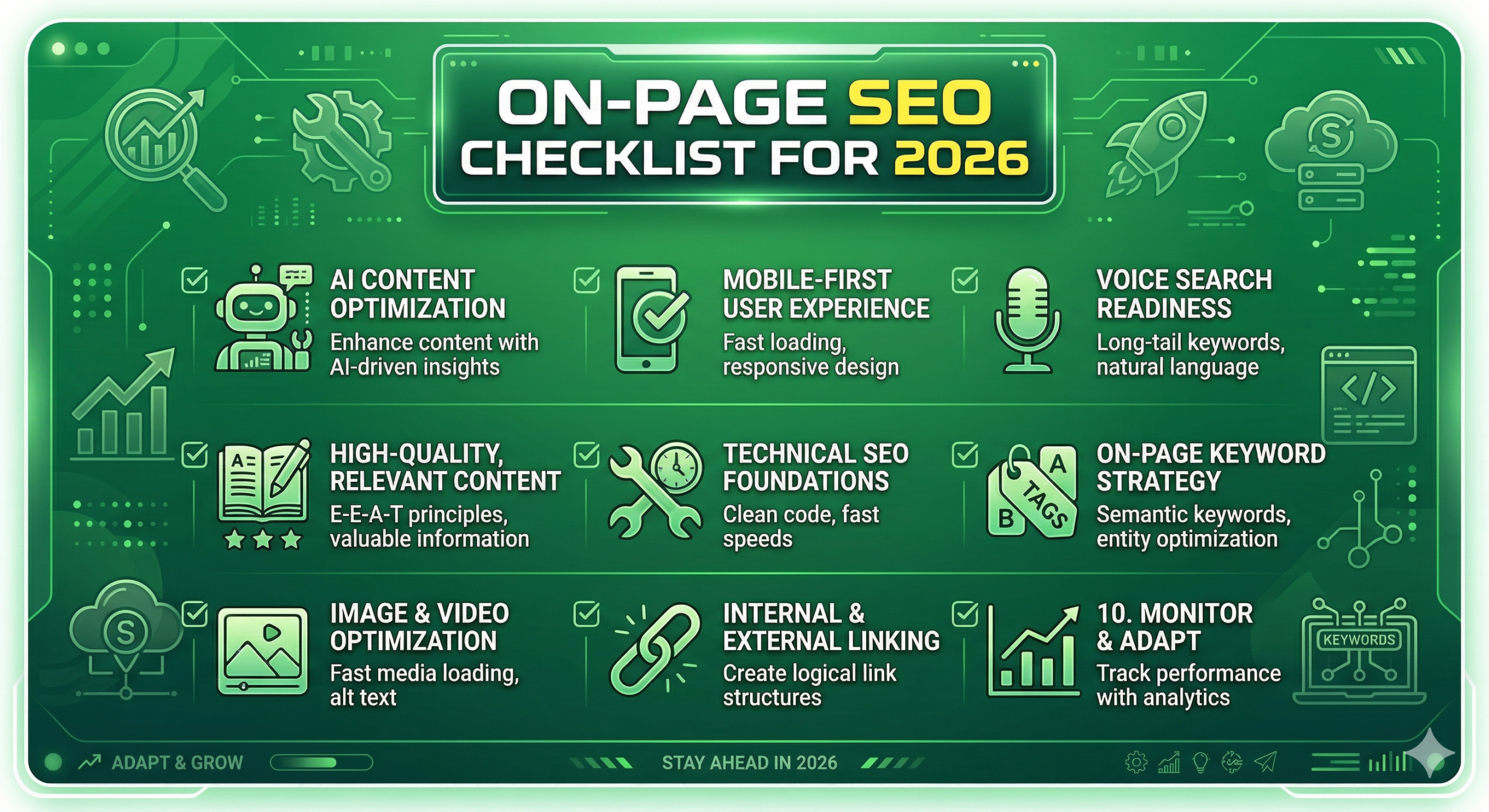
Keyword research is the foundation of successful SEO, and in 2025, it became even more important due to increasing competition and smarter search engines. Many bloggers create content regularly but fail to get traffic because they target the wrong keywords.
In 2026, keyword research is no longer about guessing what people search for. It’s about understanding user intent, analyzing data, and using the right tools. If you learn how to do keyword research like a pro, you can rank higher, get more traffic, and grow your blog faster.
What is Keyword Research?
Keyword research is the process of finding words and phrases that people type into search engines like Google. These keywords help you understand what your audience is looking for.
For example, instead of writing a general article on “fitness,” keyword research might show that people are searching for “home workout for beginners.” This helps you create more targeted and useful content.
In simple words, keyword research connects your content with what users actually want.
Types or Features of Keywords
There are different types of keywords, and each one plays an important role in SEO.
Short-tail keywords are broad terms like “SEO tips.” These have high search volume but also high competition, making them harder to rank.
Long-tail keywords are more specific, like “SEO tips for beginners in 2026.” These have lower competition and higher chances of ranking, especially for new blogs.
There are also informational keywords, where users want to learn something, and transactional keywords, where users want to buy or take action.
Understanding these types helps you choose the right keywords for your content.
Key Differences (Short-Tail vs Long-Tail Keywords)
Short-tail and long-tail keywords differ mainly in competition, search volume, and intent.
Short-tail keywords have high search volume but are very competitive. Big websites usually dominate these keywords, making it difficult for beginners to rank.
Long-tail keywords have lower search volume but are more specific and easier to rank. They also bring more targeted traffic.
For example, ranking for “laptop” is very difficult, but ranking for “best laptop under 50000 for students” is much easier.
In simple terms, short-tail keywords bring quantity, while long-tail keywords bring quality.
Step-by-Step Process to Do Keyword Research Like a Pro
To do keyword research effectively, you need to follow a structured approach.
Start by brainstorming basic ideas related to your niche. Think about what your audience might search for.
Next, use tools like Ubersuggest or Ahrefs to find keyword suggestions. These tools show search volume, competition, and keyword difficulty.
Then, analyze search intent. Understand whether users want information, a product, or a solution. This helps you create the right type of content.
After that, check your competitors. Look at which keywords they are ranking for and find opportunities where you can compete.
Finally, select keywords that have a good balance of search volume and low competition.
Best Tools for Keyword Research
Using the right tools makes keyword research easier and more effective.
Google Keyword Planner is a great free tool for finding keyword ideas and search volume.
Ubersuggest is beginner-friendly and provides keyword suggestions along with competition data.
Ahrefs is a powerful tool for advanced users. It offers detailed insights into keywords, backlinks, and competitors.
You can also use ChatGPT to generate keyword ideas and content topics quickly.
Benefits or Importance of Keyword Research
Keyword research offers many benefits for bloggers and digital marketers.
One major benefit is better ranking. When you target the right keywords, your chances of appearing on search engines increase.
Another benefit is targeted traffic. Instead of random visitors, you attract users who are actually interested in your content.
Keyword research also helps in content planning. You always know what topics to write about.
It also improves ROI. Whether you are blogging or running ads, targeting the right keywords ensures better results.
Common Mistakes to Avoid
Many beginners make mistakes in keyword research that affect their SEO performance.
One common mistake is targeting only high-volume keywords. These are usually very competitive and difficult to rank.
Another mistake is ignoring search intent. Even if you rank, users may leave if your content does not match their needs.
Some bloggers also do keyword stuffing, which can harm rankings instead of improving them.
Lastly, not updating keyword strategy is a big mistake. SEO trends change, so you need to keep updating your keywords.
Real-Life Example
Let’s say you want to write a blog about “weight loss.”
Instead of targeting a broad keyword, you use a tool and find “weight loss tips for beginners at home.” This keyword has lower competition and clear intent.
You create a detailed blog around this keyword, optimize it properly, and publish it. Within a few weeks, your blog starts getting traffic.
This shows how proper keyword research leads to better results.
Future Trends 2026
Keyword research is evolving with new trends in 2025 and beyond.
One major trend is AI-based keyword research. Tools are becoming smarter and can predict future search trends.
Voice search is also growing. People now search using natural language, so keywords are becoming more conversational.
Search intent is becoming more important than ever. Google focuses on delivering the most relevant results, not just keyword-matched pages.
Another trend is topic-based SEO. Instead of targeting single keywords, bloggers are creating content around complete topics.
Conclusion
Keyword research is one of the most important skills for SEO success in 2026. It helps you understand your audience, create better content, and rank higher on search engines.