SEO is one of the most powerful ways to grow a blog, but many beginners struggle to see results. In 2025, competition increased massively, and search engines became smarter than ever. This means simple tricks no longer work, and small mistakes can stop your website from ranking.
In 2026, avoiding common SEO mistakes is just as important as applying the right strategies. Many bloggers fail not because they don’t work hard, but because they unknowingly make errors that hurt their rankings. If you understand these mistakes early, you can save time and grow faster.
What are SEO Mistakes?
SEO mistakes are errors that negatively affect your website’s ability to rank on search engines like Google. These mistakes can be related to content, keywords, technical issues, or user experience.
For example, if you write a great article but don’t use the right keywords, search engines may not understand your content. Similarly, if your website is slow, users may leave quickly, which affects your ranking.
In simple terms, SEO mistakes block your growth even if your content is good.
Types or Features of SEO Mistakes
SEO mistakes can happen in different areas, and each one impacts your blog differently.
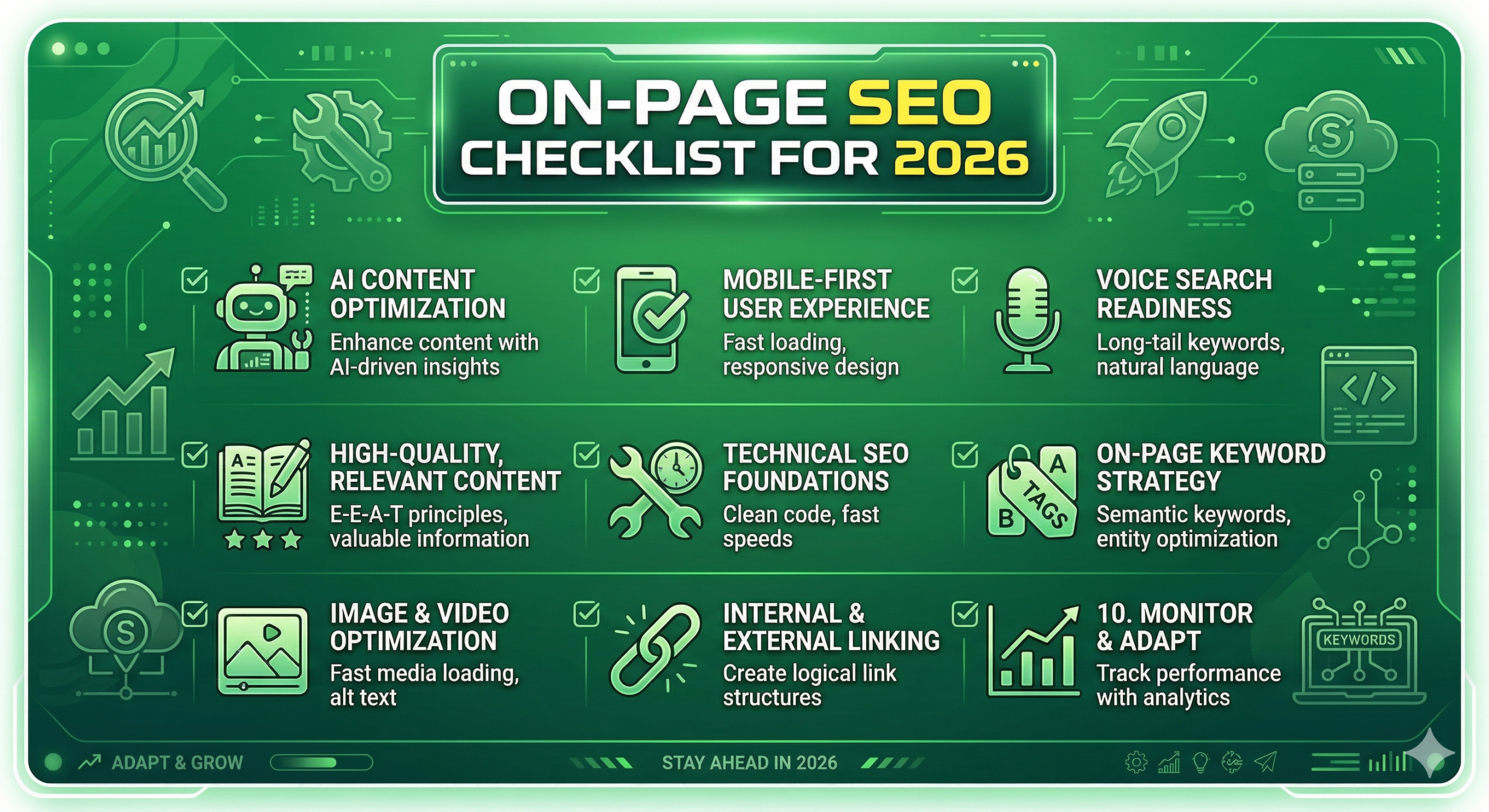
One common type is on-page SEO mistakes. These include poor keyword usage, missing headings, and weak content structure. If your content is not properly optimized, it becomes harder to rank.
Another type is technical SEO mistakes. These include slow website speed, broken links, and poor mobile optimization. These issues affect both user experience and search engine crawling.
Off-page SEO mistakes are also important. These involve poor backlink strategies or spammy links that can harm your website’s credibility.
Lastly, content-related mistakes include writing low-quality or duplicate content, which search engines do not favor.
Common SEO Mistakes Beginners Must Avoid
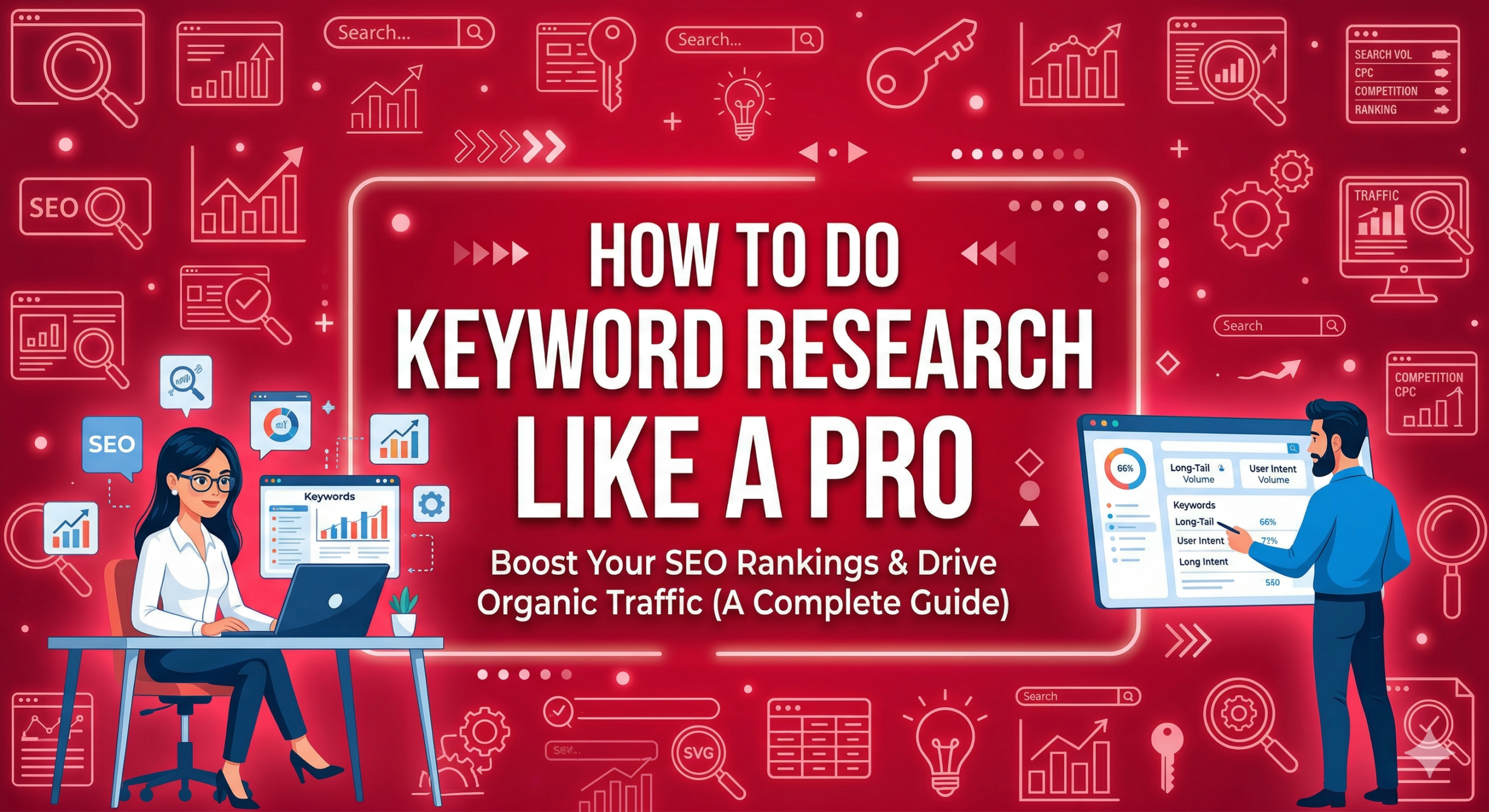
One of the biggest mistakes is targeting the wrong keywords. Many beginners go after high-competition keywords, which are very difficult to rank. Instead, focusing on long-tail keywords can give better results.
Another common mistake is ignoring search intent. Even if you use the right keywords, your content must match what users are looking for. Otherwise, they will leave your site quickly.
Keyword stuffing is another major issue. Adding too many keywords makes your content unnatural and can lead to penalties from search engines.
Many beginners also ignore meta titles and descriptions. These are important for improving click-through rates and should always be optimized.
Not updating old content is another mistake. SEO is not a one-time task, and updating content regularly helps maintain rankings.
Key Differences (Good SEO vs Bad SEO)
Good SEO focuses on user experience, quality content, and proper optimization. It follows search engine guidelines and aims to provide value to users.
Bad SEO, on the other hand, focuses on shortcuts. This includes keyword stuffing, buying spammy backlinks, and copying content. These practices may give short-term results but can harm your website in the long run.
In simple terms, good SEO is long-term and sustainable, while bad SEO is risky and temporary.
Importance of Avoiding SEO Mistakes
Avoiding SEO mistakes is crucial for long-term success. Even small errors can have a big impact on your rankings.
When you avoid mistakes, your content becomes more search-engine friendly. This increases your chances of ranking higher and getting more traffic.
It also improves user experience. A well-optimized website is easier to navigate, faster, and more engaging.
Additionally, avoiding mistakes helps build trust. Search engines prefer websites that follow best practices and provide value to users.
Challenges or Limitations
Avoiding SEO mistakes is not always easy, especially for beginners.
One challenge is lack of knowledge. Many beginners are not aware of SEO best practices, which leads to mistakes.
Another challenge is constant changes in SEO. Search engine algorithms are updated frequently, so strategies that worked before may not work now.
There is also a time factor. Fixing SEO issues and optimizing content takes time and effort.
Lastly, using too many tools without understanding them can create confusion instead of helping.
Real-Life Example
Let’s say a beginner writes a blog post on “digital marketing tips” and uses the keyword too many times. The content becomes unnatural and difficult to read.
Users leave the page quickly, increasing the bounce rate. As a result, the blog does not rank well.
Now, if the same content is rewritten with proper keyword placement, better structure, and useful information, engagement improves and rankings increase.
This shows how avoiding simple mistakes can make a big difference.
SEO Future Trends
SEO is evolving, and new trends are shaping how websites rank.
One major trend is AI-driven SEO. Search engines are using AI to understand content better, which means quality and relevance are more important than ever.
Another trend is user experience. Factors like page speed, mobile optimization, and readability are becoming key ranking signals.
Voice search is also growing, making conversational keywords more important.
Additionally, content quality and originality will continue to be major ranking factors.
Conclusion
SEO mistakes can slow down your blog growth, but the good news is that they are easy to fix once you understand them. In 2026, focusing on quality, user experience, and proper optimization is the key to success.